Professional illustration about Largo
Laguna Sea Dwellers Overview
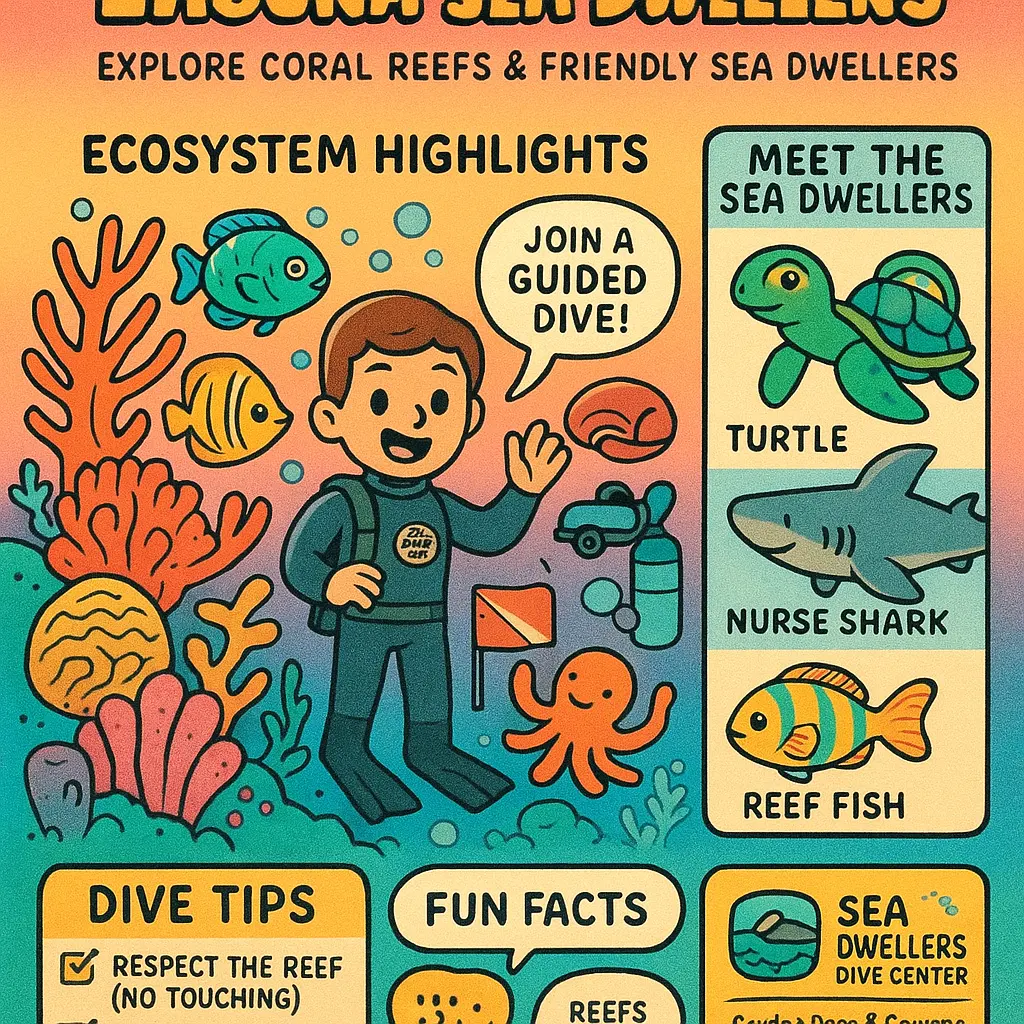
If you’re looking to explore the underwater wonders of the Florida Keys, Laguna Sea Dwellers stands out as one of the most trusted names in Key Largo scuba diving. As a well-established PADI Dive Center and Dive Shop, Laguna Sea Dwellers has built a vibrant dive community, welcoming everyone from first-time snorkelers to Tec divers seeking advanced technical diving adventures. The center’s prime location near Pennekamp Coral Reef State Park and Molasses Reef allows divers to experience some of the region’s most famous coral formations and marine life, including sea turtles, nurse sharks, and colorful tropical fish. Whether you’re interested in booking a guided dive trip, joining a Dive Club, or earning your Open Water Diver Certification, the team of experienced PADI Instructors ensures safe, fun, and memorable underwater experiences.
Laguna Sea Dwellers supports a wide range of scuba diving courses and certifications, from entry-level Open Water Diver to advanced specialties like Enriched Air Nitrox and Underwater Photography. Their instructors and staff, many of whom are certified PADI and SSI professionals, personalize each training session to match the diver’s comfort and skill level. For those seeking leadership roles, the Divemaster Program provides professional-level guidance and hands-on experience with real dive operations. The center also caters to Rebreather Divers and Tec Divers, offering specialized gear and training for deeper or more technical dives around sites like San Clemente Island and Catalina Island.
Divers can take advantage of top-notch scuba equipment rental, as well as comprehensive Dive Equipment Service and Repair to ensure safety and reliability underwater. The fleet includes spacious, modern dive boats that run daily trips to the Florida Keys’ hottest dive sites, including the crystal-clear reefs of Key Largo and the legendary wrecks just offshore. Snorkeling trips are equally popular, drawing families and ocean enthusiasts looking to experience the marine ecosystem without the need for certifications. With carefully curated Scuba Vacation Packages, Laguna Sea Dwellers makes planning your next underwater adventure stress-free, offering bundled options for lodging, equipment, and multi-day diving excursions.
One of the center’s defining features is its commitment to marine conservation and ocean sustainability. Divers are encouraged to participate in reef monitoring surveys, coral restoration projects, and educational programs on protecting fragile habitats. This sense of stewardship is woven into every dive trip, fostering a deep appreciation for the ocean’s beauty and diversity. Laguna Sea Dwellers also hosts regular Dive Community Membership events, where divers and snorkelers share stories, swap underwater photography tips, and build lasting friendships within the local and visiting community. For those seeking a more immersive experience, liveaboard diving trips offer extended access to remote reefs and secret dive sites that few others get to explore.
Laguna Sea Dwellers’ reputation in 2026 continues to thrive due to its blend of expert instruction, premium equipment, and a welcoming atmosphere for all skill levels. Whether you’re diving into the clear waters of Molasses Reef for the first time or mastering your skills with a seasoned Scuba Instructor, you’ll find a supportive environment focused on safety, discovery, and genuine adventure. This makes Laguna Sea Dwellers an essential hub for anyone eager to unlock the treasures of the Florida Keys and beyond.
Professional illustration about Diving
Popular Species in 2026
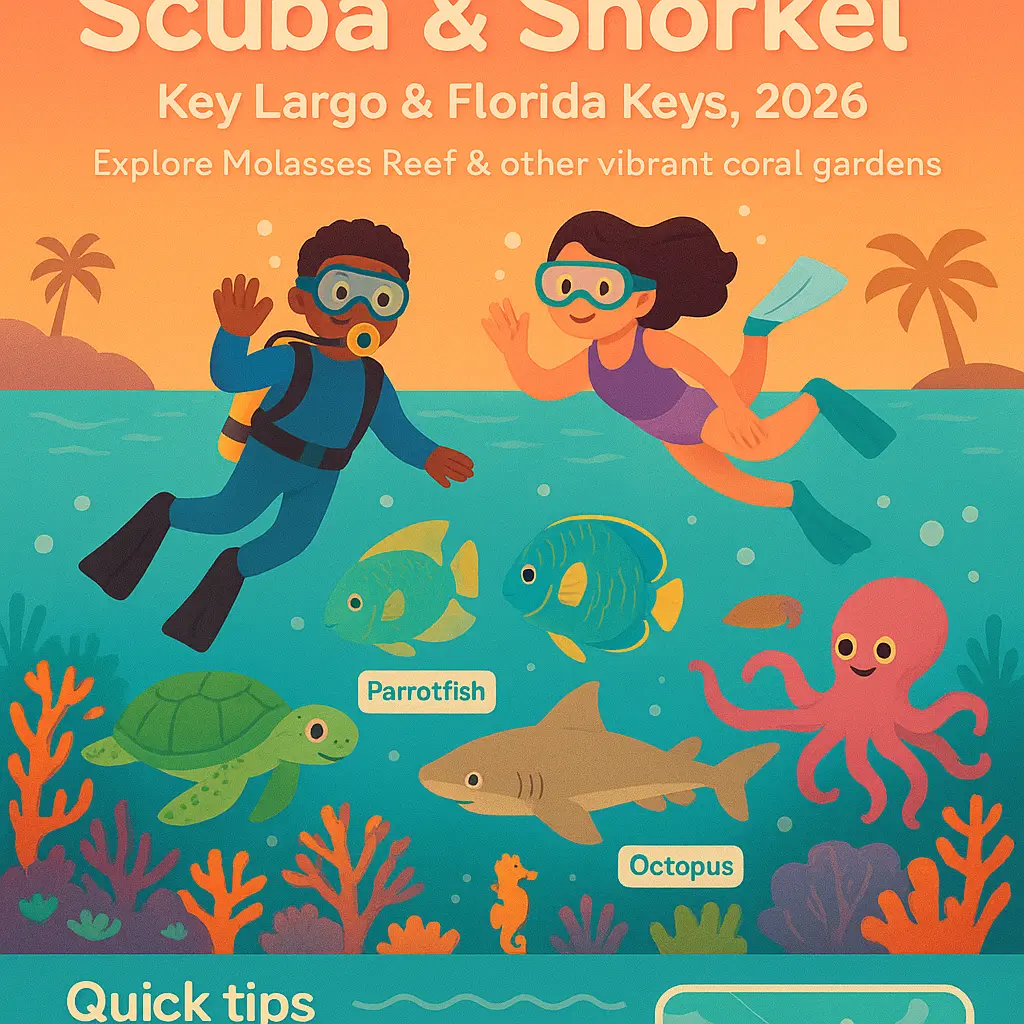
When exploring the vibrant underwater world around Key Largo and the Florida Keys in 2026, scuba divers and snorkelers are treated to encounters with a remarkable variety of marine species, many of which have become even more prominent in recent years. The thriving coral reefs, such as Molasses Reef and the protected areas within Pennekamp Coral Reef State Park, are home to a dynamic tapestry of sea life that continues to evolve thanks to robust marine conservation efforts and sustainable diving practices spearheaded by reputable dive operations like the Sea Dwellers Dive Center and local PADI Dive Centers.
Among the most sought-after species by divers in 2026 are the majestic Goliath groupers, now more frequently seen thanks to strict fishing regulations and habitat restoration projects. These gentle giants, often exceeding 400 pounds, are commonly spotted hovering near the artificial wreck sites during Key Largo diving expeditions. Scuba guides from the Sea Dwellers Dive Center report that increased sightings of cleaner wrasse and parrotfish have resulted in healthier coral systems, making underwater photography for marine enthusiasts even more rewarding.
Eagle rays and spotted eagle rays are another highlight, especially around the deeper ledges of Molasses Reef and during dive trips to San Clemente Island and Catalina Island, which have become hotspots for pelagic encounters in 2026. Divers undertaking the Open Water Diver Certification or more advanced training, such as the Divemaster Program or Technical Diving through PADI or SSI, often report memorable close-ups with these graceful creatures gliding over sandy bottoms. Night dives organized by local Dive Clubs have also witnessed a rise in Caribbean reef octopus and slipper lobster sightings—a testament to the flourishing nocturnal ecosystem.
The resurgence of staghorn and elkhorn coral, supported by coral restoration initiatives, has brought back an abundance of reef fish, including blue tangs, sergeant majors, and French angelfish. Snorkeling trips organized by dive shops ensure that even non-divers can observe these colorful fish swarming the shallow coral gardens. For those interested in marine conservation or ocean conservation, participating in citizen science programs or underwater cleanups with Sea Dwellers Dive Center has provided hands-on opportunities to contribute to the preservation of these species.
Sea turtles, particularly loggerhead and green turtles, remain a favorite among both rebreather divers and recreational enthusiasts. They are often sighted during liveaboard diving adventures around the outer reefs and on the way to Catalina Island. In addition, encounters with nurse sharks and southern stingrays have remained stable due to responsible interaction guidelines promoted by PADI Instructors and Dive Equipment Rental facilities, which ensure that divers respect the natural behavior of these animals.
The rise in popularity of enriched air nitrox courses and the availability of advanced scuba equipment and dive equipment service and repair have empowered more divers to maximize their bottom time and explore less-frequented habitats where rare species, like the longsnout seahorse and indigo hamlet, can be found. Laguna Sea Dwellers, the local dive community, frequently organizes workshops on underwater photography and species identification, helping enthusiasts document and share their discoveries.
For those planning scuba vacation packages in 2026, it's worth noting that the biodiversity around Key Largo, Catalina Island, and San Clemente Island continues to amaze even the most seasoned tec divers. The presence of schools of barracuda, tarpon, and jacks during drift dives is a thrilling spectacle, while the ever-elusive spotted drum keeps underwater naturalists coming back for more. The Dive Community Membership programs at PADI- and SSI-certified centers not only provide access to exclusive dive sites but also foster a sense of stewardship for the extraordinary marine life that makes the Florida Keys a world-renowned scuba diving destination.
To sum up the latest trends, paying attention to seasonal variations, consulting with local dive shops about recent sightings, and joining dive trips with experienced guides are the best strategies for encountering the most popular sea dwellers in 2026. Whether you’re a newcomer working toward Open Water Diver Certification or an experienced instructor sharing the wonders of the ocean, the underwater world off Key Largo and its surrounding islands promises species-rich adventures for every level of diver and snorkeler.
Professional illustration about Dwellers
Habitat Characteristics
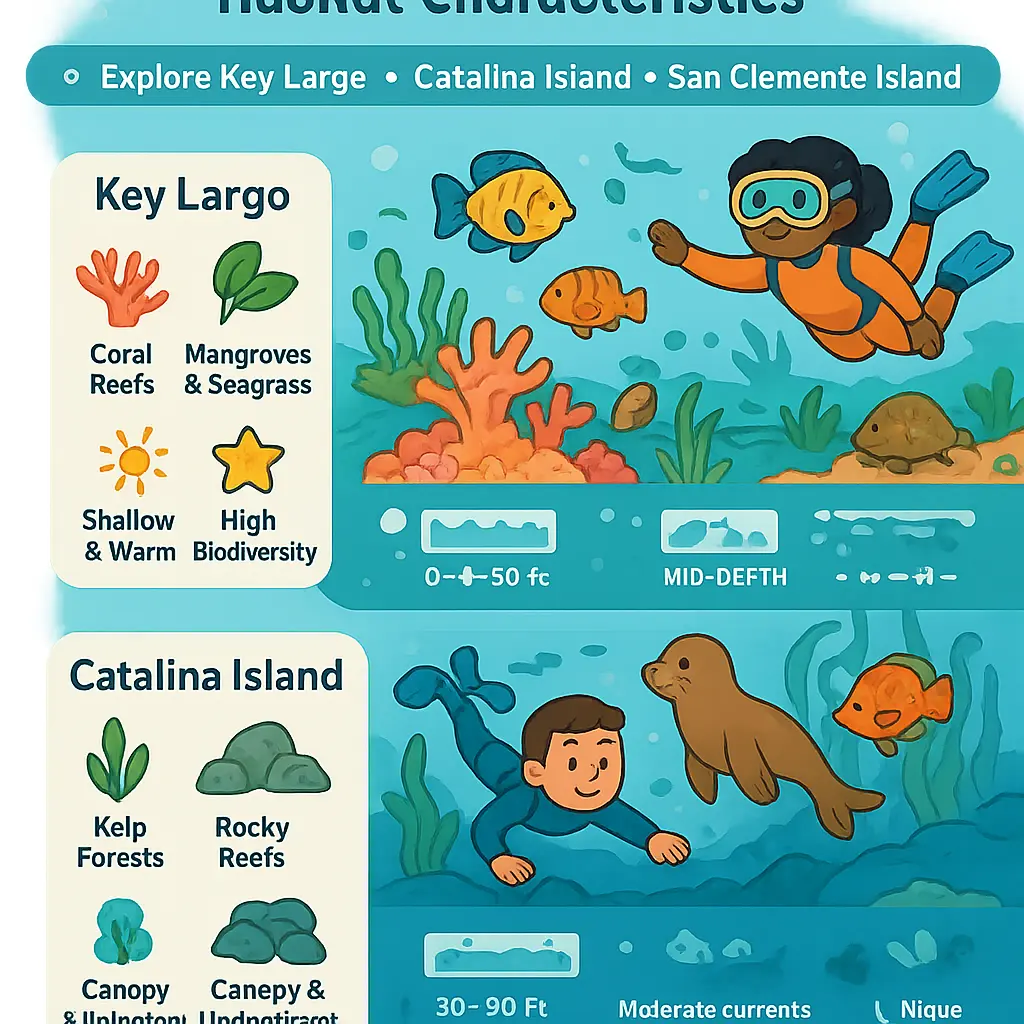
When it comes to exploring the habitat characteristics of Laguna Sea Dwellers, a number of distinct environments and ecosystems stand out, especially in vibrant destinations like Key Largo, Catalina Island, and San Clemente Island. Each site offers unique underwater terrains that shape the daily lives of marine species and strongly influence the experience for scuba diving enthusiasts. In Key Largo, for instance, the famed Molasses Reef and sections of the Florida Keys National Marine Sanctuary provide a mosaic of coral heads, sandy patches, and limestone ledges. These features create shelter and feeding grounds for iconic sea dwellers such as moray eels, sea turtles, and colorful parrotfish. The area’s clear, warm waters, typically ranging from 75°F in winter to 85°F in summer, make it a haven for year-round scuba diving and snorkeling, whether you’re a newly certified Open Water Diver or a seasoned tec diver on mixed-gas dives.
One of the cornerstones of marine habitat diversity in the region is the nearby Pennekamp Coral Reef State Park. This marine park is celebrated by the Laguna Sea Dwellers Dive Club and Sea Dwellers Dive Center as a hotspot for scuba diving courses and dive trips. The reef’s intricate coral formations and swaying sea fans promote high biodiversity, attracting schools of snappers, gentle nurse sharks, and even elusive octopuses. These habitats are not only a paradise for underwater enthusiasts but also crucial for marine conservation and ocean conservation initiatives, often highlighted in scuba instructor training programs led by experienced PADI and SSI instructors.
Beyond the reefs, the deeper wreck sites and offshore pinnacles around San Clemente Island and Catalina Island offer a different habitat profile. Here, colder currents and dramatic vertical drop-offs provide ideal conditions for larger pelagic species like barracuda and the occasional passing mola mola. These sites challenge advanced divers, including rebreather divers and those pursuing technical diving certifications such as Enriched Air Nitrox or the Divemaster Program. The rocky outcrops and kelp forests create an ever-changing landscape, perfect for underwater photography and exploration by dive boat.
For those joining a local dive club or booking scuba vacation packages through a dive shop like Sea Dwellers Dive Center, the variety of habitats supports a broad range of activities and certifications. Beginners can enjoy gentle snorkeling trips over shallow gardens, while advanced divers can join liveaboard expeditions to far-flung dive sites. At every turn, reliable dive equipment rental and service and repair facilities ensure your scuba equipment is well-suited to the specific environment—whether that means a shorty wetsuit for tropical reefs or a drysuit for cooler Pacific depths.
The dynamic nature of these underwater habitats means that conditions can change rapidly, with visibility shifting from 100 feet on a calm summer morning to more challenging circumstances after a passing storm. That’s why dive guides and PADI instructors emphasize situational awareness, briefings on site-specific currents, and surface signaling protocols, especially for group dives and dive community membership events. The area’s popularity as a training ground for Open Water Diver Certification, Divemaster Program, and scuba instructor training means the local ecosystem is not just a breathtaking backdrop but also an active classroom, continually shaping the next generation of divers.
For divers passionate about marine conservation, participating in reef clean-ups and citizen science projects sponsored by local PADI Dive Centers and SSI affiliates provides direct insight into the fragile balance of these habitats. The intricate interplay of coral, fish, and marine flora is a living testament to the importance of responsible diving practices. As more adventurers seek out the magic of Key Largo diving or the remote allure of Catalina Island’s kelp forests in 2026, understanding and respecting the habitat characteristics of these underwater worlds remains essential for both enjoyment and preservation. With a little curiosity and the right guidance, every dive becomes an opportunity to witness the remarkable habitats that Laguna Sea Dwellers call home.
Professional illustration about Florida
Adaptations to Laguna Waters
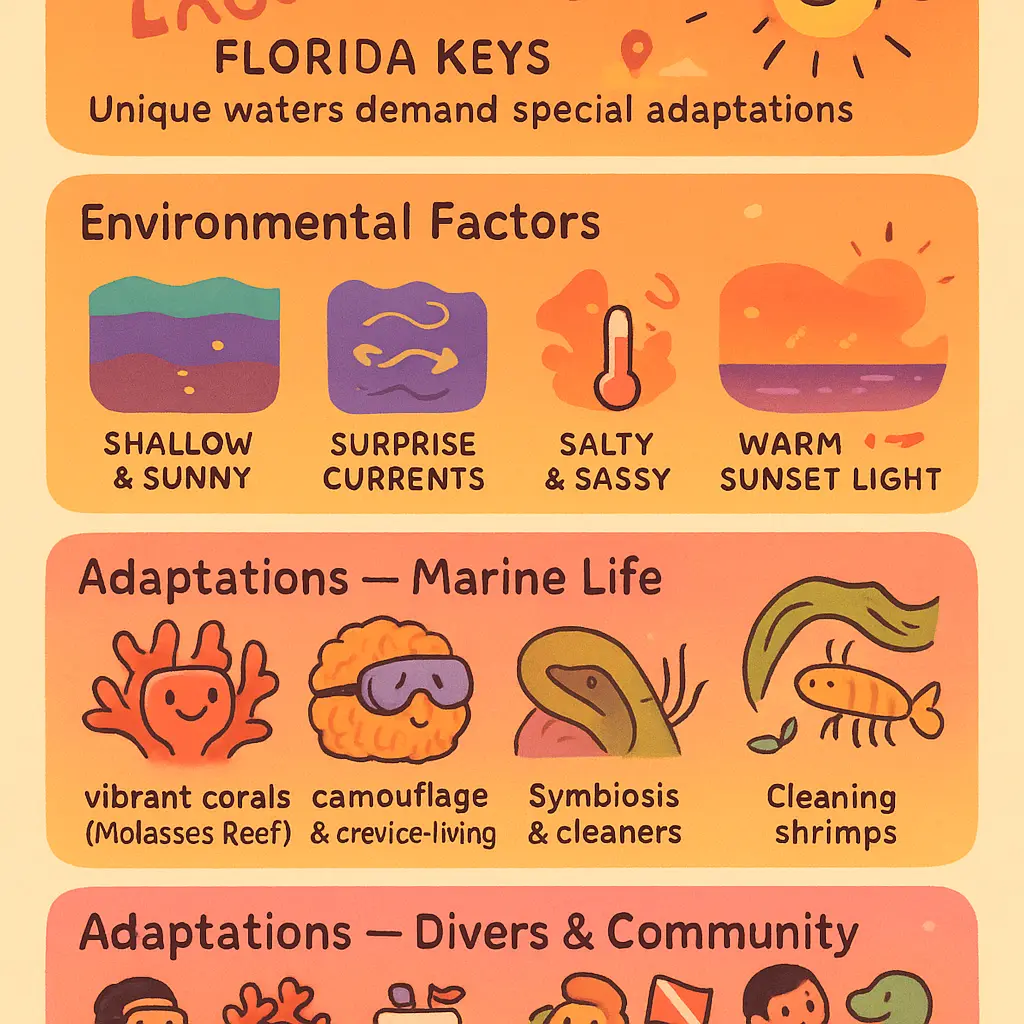
Unique environmental factors in Laguna waters demand specialized adaptations from divers, marine life, and the local dive community. Whether you’re exploring the vibrant corals at Molasses Reef or venturing offshore from Catalina Island or San Clemente Island, understanding and adapting to these conditions is essential for both safety and an unforgettable underwater experience. For divers planning their next trip via Sea Dwellers Dive Center or other Florida Keys operators, let’s dive into how humans and marine species alike thrive in these dynamic surroundings.
Salinity, Currents, and Visibility: Mastering the Local Challenges
Laguna waters can shift dramatically in temperature, visibility, and current strength. Successful Key Largo diving starts with knowing how to adapt your scuba equipment and techniques. For instance, the variable currents around Pennekamp Coral Reef State Park may require the use of more streamlined gear, such as a tighter-fitting wetsuit and low-profile masks, both available for Dive Equipment Rental at your local Dive Shop. Enriched Air Nitrox is also popular among Laguna Sea Dwellers and Tec Divers to maximize bottom time while minimizing nitrogen absorption during these energetic drift dives.
Visibility often fluctuates, especially after storms or during tidal shifts. Underwater photography enthusiasts should be prepared with strobes and lens ports designed for lower-visibility conditions. PADI Instructors and those in the Divemaster Program at the Sea Dwellers Dive Center offer specialized workshops for fine-tuning buoyancy and navigation skills, tailored for the unique demands of Florida Keys and Laguna-area sites.
Bio-Adaptations: The Laguna Sea Dwellers Ecosystem
Marine species in Laguna environments have evolved fascinating adaptations. Many reef fish display bold coloring, enabling complex mating displays and camouflage amid shifting light patterns. Sea turtles and rays, frequently sighted during Snorkeling Trips or Liveaboard Diving around the Keys, possess specialized salt glands that help regulate internal salinity. Instructors from both PADI and SSI highlight these adaptations on marine conservation and ocean conservation dives, making each trip educational as well as exhilarating.
For those interested in technical diving, rebreather divers often find Laguna sites ideal for extended observation of elusive species. The quieter operation of rebreathers minimizes bubble noise, allowing close encounters without disturbing shy marine animals. Students in Open Water Diver Certification courses are encouraged to observe and report on such animal behavior as part of their training, deepening their appreciation for local marine life.
Human Adaptations: Upgrading Skills and Gear for Laguna Environments
The Dive Community Membership at centers like Sea Dwellers Dive Center fosters a culture of learning and adaptation. Regular workshops on Scuba Equipment Service and Repair ensure that both novice and veteran divers keep their gear in optimal condition, vital in salt-heavy, high-use environments like Key Largo and the surrounding islands.
Technical Diving courses and the Divemaster Program have recently evolved to include modules specific to the challenges of Laguna waters. For example, tec divers train in managing multiple tanks and mixed gases to safely explore deeper wrecks and reefs that characterize the region. Open Water Diver Certification is only the beginning; ongoing Scuba Instructor Training and advanced specialty courses are highly recommended for those planning frequent dive trips to the Florida Keys or seeking careers in local dive operations.
Practical Tips for Adapting:
- Monitor Local Conditions: Always check tide, weather, and marine life reports before heading out with your Dive Club or on a Dive Boat.
- Invest in Quality Gear: Regularly service and upgrade your scuba and snorkeling equipment, especially regulators and dive computers suited for the region’s variable salinity and temperatures.
- Prioritize Buoyancy Control: Take a refresher course or workshop focused on buoyancy, as mastering control is crucial for diving safely and comfortably in shifting Laguna currents.
- Join Community Initiatives: Engage with local marine conservation efforts, which often offer hands-on training in underwater ecology and foster connections with other Laguna Sea Dwellers.
Through a combination of equipment know-how, specialized training, and ecological awareness, both beginners and seasoned adventurers can fully immerse themselves in the wonders of Laguna waters. Adapting is not just about surviving, but thriving—and every dive becomes a new opportunity to learn and connect with the extraordinary underwater world of the Florida Keys and beyond.

Professional illustration about PADI
Marine Mammals of the Laguna
Laguna’s underwater world is home to some of the most fascinating marine mammals thriving in the Florida Keys region. If you’re planning your next dive trip with Sea Dwellers Dive Center in Key Largo, chances are you’ll be able to spot playful bottlenose dolphins, mysterious manatees, or even the occasional visiting pod of pilot whales. These incredible creatures contribute to the rich biodiversity that makes Key Largo diving such a popular choice for both recreational and technical divers. For anyone pursuing Open Water Diver Certification or participating in advanced scuba diving courses through a certified PADI Dive Center or SSI partner, opportunities to witness marine mammals are woven into the experience, especially around notable dive sites like Molasses Reef and the protected waters of Pennekamp Coral Reef State Park.
Beyond the thrill of seeing dolphins dance near your dive boat, understanding their behaviors is essential for responsible marine conservation. Dolphins are known for their curiosity—divers frequently encounter them while snorkeling between Catalina Island and San Clemente Island, where these mammals sometimes ride the wake of the dive boats or accompany groups exploring vibrant coral gardens. Sea Dwellers and local Dive Shops emphasize ocean conservation etiquette in their scuba courses, teaching divers to observe marine mammals from a respectful distance and avoid direct contact. For underwater photographers, Laguna’s marine mammals present unique opportunities for stunning images; however, instructors recommend using no-flash settings and passive observation to minimize stress on the animals.
Manatees, often called sea cows, are another iconic sight—especially during the cooler months when they migrate toward shallower, warmer waters. Seasoned rebreather divers and Tec Divers occasionally report gentle encounters with manatees during longer decompression stops in the lagoons and channels off Florida Keys. Local Dive Equipment Services can offer advice on buoyancy control and streamlined gear setups to reduce disturbance in these critical habitats. If you’re aiming for Divemaster Program certification or advanced technical diving credentials like Enriched Air Nitrox, understanding how your presence affects local wildlife is now part of the 2026 curriculum in most PADI Instructor and Scuba Instructor Training modules.
As you join guided snorkeling trips or liveaboard diving vacations in the Laguna area, you’ll also become part of a larger dive community membership focused on stewardship and marine mammal advocacy. Dive Club gatherings often feature guest speakers from marine research institutes, sharing the latest findings about dolphin migration, manatee breeding grounds, and the impact of climate change on marine mammals around Key Largo and the broader Florida Keys ecosystem. If you’re new to scuba diving, renting your first set of scuba equipment from Sea Dwellers Dive Center means you’ll get hands-on advice about eco-friendly dive practices and how to minimize noise underwater—a key factor in allowing quiet observation of dolphins and other sea dwellers.
Marine mammals in Laguna are best spotted at dawn and dusk, when pods of dolphins frequently feed near the outer reefs or when manatees graze in seagrass meadows adjacent to popular dive sites. Professional guides and seasoned local divers recommend choosing dive trips timed for these hours to maximize your chances of close encounters. Remember to follow the guidance of your PADI or SSI certified instructors, who are trained in Marine Conservation protocols as of 2026. For those passionate about environmental stewardship, many Dive Shops offer educational workshops on marine mammal identification and data collection, contributing valuable observations to ongoing research projects.
Whether you’re embarking on your first snorkeling adventure, joining a specialty technical diving course, or simply relaxing on a dive boat after a long surface interval, encounters with Laguna Sea Dwellers’ marine mammals promise to be a highlight of any Florida Keys scuba vacation. Collaboration between local dive centers, conservation groups, and the expanding dive community ensures that ethical guidelines and best practices are shared, preserving these magnificent animals for future generations of divers and ocean enthusiasts.
Professional illustration about Dive
Fish Diversity Updates
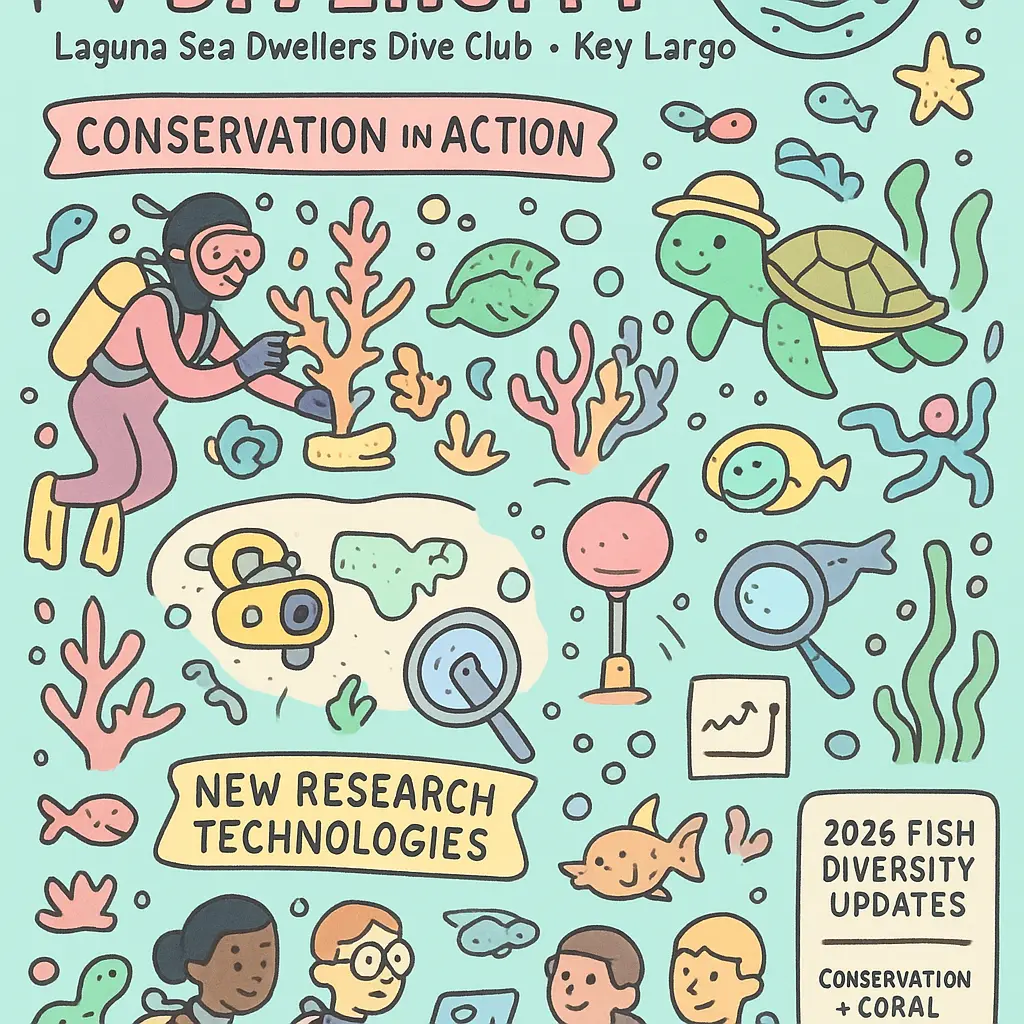
Fish Diversity Updates in 2026 have brought exciting developments to scuba communities across Key Largo, the Florida Keys, and especially for members of the Laguna Sea Dwellers Dive Club. With ongoing marine conservation efforts, new research technologies, and the vigilant eyes of dive professionals, the catalog of local fish species—particularly at Molasses Reef, Pennekamp Coral Reef State Park, and San Clemente Island—is more robust than ever. Recent data collected by PADI Dive Centers, SSI educators, and rebreather divers have led to the identification of several previously rare species, now sighted more regularly on dive trips and snorkeling outings. For instance, reports during dive boat expeditions from Sea Dwellers Dive Center confirm increased numbers of spotted drum, midnight parrotfish, and even the long-awaited return of the regal queen angelfish to certain sunlit swim-throughs off the coast of Catalina Island.
These thriving fish populations aren’t just good news for marine biodiversity—they're a serious boost to the experience level available for Open Water Diver Certification candidates and seasoned Tec Divers alike. PADI Instructors are using the recent fish diversity updates as interactive teaching material during classroom and open water sessions, incorporating real-time updates on ecosystem changes. Dive shop owners and operators in Key Largo and the broader Florida Keys have noted that even casual snorkelers are spotting rarely-seen bluelined grunts and wrasse species on guided snorkeling trips, making the region a top pick for underwater photography workshops.
What’s driving these updates? First, enhanced dive equipment—including advanced underwater cameras, enriched air nitrox systems, and digital fish identification apps—has made it much easier for divers to document and report sightings. Dive Equipment Rental and Service providers now offer rebreathers and specialized SCUBA equipment to help tec divers reach deeper, less-explored habitats where some of these notable species tend to congregate. Moreover, Dive Boat captains collaborating with local marine scientists are mapping out new dive sites along the edge of Pennekamp Coral Reef State Park, each teeming with emergent fish species previously overlooked. These sites also feature collaborative logbooks where Dive Community Members record unique encounters, fostering a culture of citizen science among Laguna Sea Dwellers and other clubs.
Active conservation programs have had a measurable effect throughout 2026. With backing from Ocean Conservation groups, local dive shops and PADI Dive Centers have introduced incentives for involvement in marine biology logbook competitions and Divemaster Program electives focused on ecosystem awareness. These efforts help protect fragile spawning grounds used by groupers and snappers, which in turn supports the stability and diversity of the entire local fish population. Liveaboard diving has become especially popular for visiting remote sites at San Clemente Island and rare ledges off Catalina, where open water habitats nurture distinct species like the California sheephead and yellowtail jack—but sightings of the lesser-known Pacific cownose ray have made headlines in diver forums this year.
For those planning their next scuba vacation, or venturing into scuba instructor training, these Fish Diversity Updates mean every dive is brimming with opportunity for personal discovery and ongoing education. The latest reporting standards allow Laguna Sea Dwellers and Dive Club members to share real-time notifications from their dive computers about species sightings and environmental conditions, helping everyone stay informed—and involved—in preserving what makes the Florida Keys and Key Largo diving so special.
Best ways to take advantage of these fish diversity changes: - Join a Dive Community Membership for shared sighting reports and conservation news - Take enriched air nitrox courses to explore deeper reefs where diversity is greatest - Participate in underwater photography challenges organized by your local Dive Shop - Book Dive Equipment Rental with accessories for marine life identification - Engage in ongoing Divemaster Program seminars that highlight new biodiversity research
2026 is an unprecedented year for fish diversity in the Laguna Sea Dwellers’ favorite waters. Staying up-to-date means every dive offers more than just adventure—it’s a contribution to protecting and understanding the ocean’s ever-changing story.
Professional illustration about Dive
Crustacean Communities
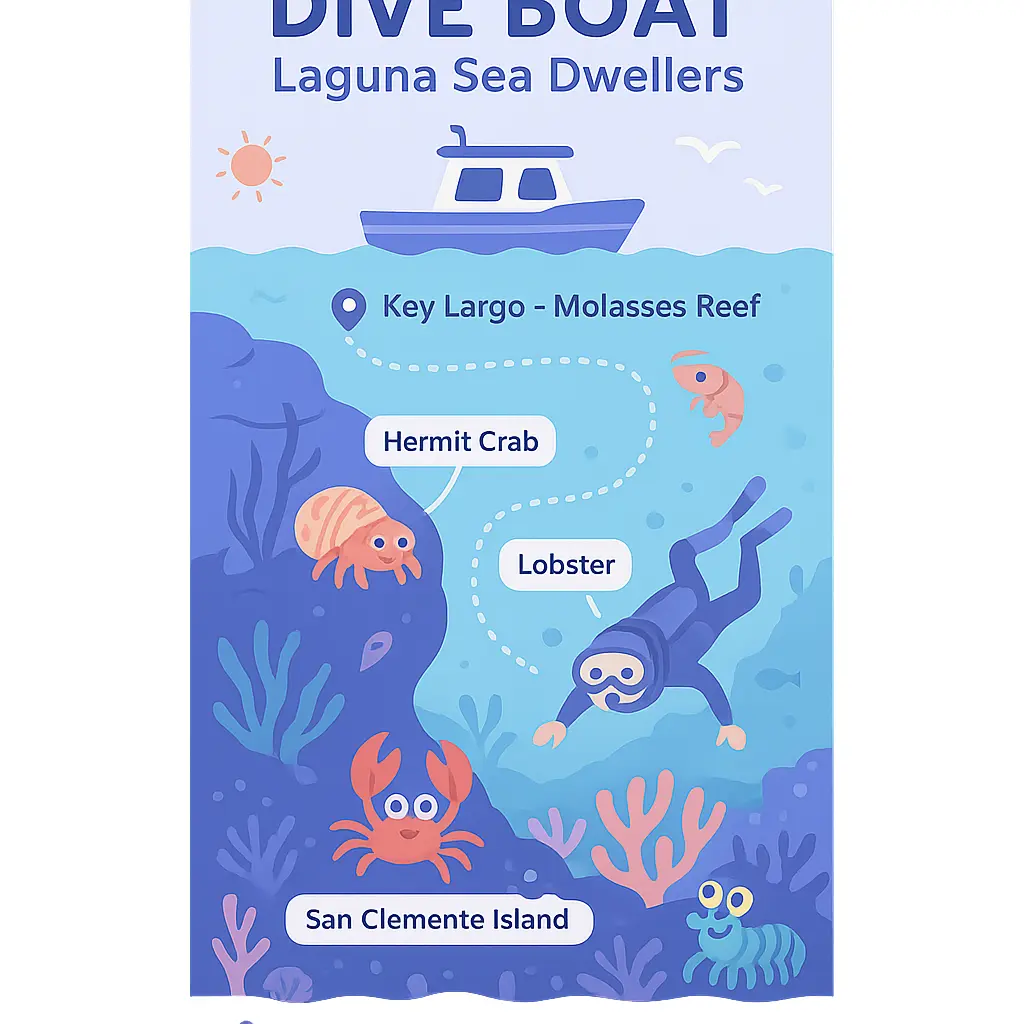
When you explore the underwater landscapes of Laguna Sea Dwellers destinations—whether gliding over Molasses Reef in Key Largo, descending beside the rocky ledges of Catalina Island, or drifting past vibrant coral gardens at San Clemente Island—you’ll uncover a hidden world of crustaceans that power the region’s biodiversity. These crustacean communities range from showy Caribbean spiny lobsters hiding under ledges, to agile blue crabs darting amongst seagrass, and tiny cleaner shrimps whose translucent bodies illuminate the reef at night. For certified divers with Open Water Diver Certification from PADI or SSI, crustacean watching has become a favorite underwater pastime during dive trips or club excursions arranged by local Dive Shops and the reputable Sea Dwellers Dive Center in Key Largo.
Diving into the crustacean ecosystem presents both thrills and challenges—these fascinating creatures are masters of disguise! Underwater explorers are often rewarded for their patient observation and buoyancy skills, as many crustaceans, like the decorator crab or peppermint shrimp, blend perfectly into reef environments. Modern Scuba Equipment, especially dive torches and cameras designed for Underwater Photography, allow for close inspections and documentation, adding fun and educational value to dives. For more adventurous rebreather divers and technical divers (tec divers), night dives or trips to deeper wrecks often reveal rarer crustacean species such as slipper lobsters or squat lobsters cluster in crevices only reached by skilled divers using advanced setups or guided tours by PADI Instructors.
Every dive at a vibrant site—like the famed Pennekamp Coral Reef State Park—offers a dynamic snapshot of the interplay between crustaceans and other sea dwellers. Scuba Instructor Training materials in 2026 stress the crucial roles crustaceans play in the health of Florida Keys ecosystems: they recycle organic matter, control populations of other invertebrates, and provide critical food sources for larger fish and marine mammals. The Sea Dwellers Dive Center and local Dive Clubs actively promote Marine Conservation workshops focused on sustaining crustacean habitats, advocating for responsible scuba diving practices such as careful finning and no-touch approaches to avoid impacting delicate lobster dens or crab burrows.
For snorkelers or those just starting their Open Water Diver Certification, crustaceans are a wonderful introduction to marine life due to their variety and approachability. Guides and divemasters often point out hermit crabs, arrow crabs, and banded coral shrimp during snorkeling trips, especially in shallow reef flats near Key Largo and Catalina Island. Photographers find crustaceans ideal subjects for macro shots, and dive shops now offer workshops tailored to capturing the minute details of a coral crab’s claws or a shrimp’s vibrant coloration with modern camera rigs—a trend popular among Laguna Sea Dwellers dive community members.
Some dive vacations, such as liveaboard diving packages to San Clemente Island, provide extended opportunities to study crustacean behavior over multiple dives in various habitats. You’ll notice differences in populations between patch reefs, kelp forests, and rocky ledges, learning how oceanographic conditions, predatory pressures, and seasonal migrations shape local crustacean distributions. Conservation-minded divers regularly participate in citizen science projects coordinated with PADI Dive Centers and SSI, logging sightings of rare or invasive species—like the orange mantis shrimp or lionfish-harboring shrimp—to contribute to ocean conservation efforts. With enhanced dive equipment rental services available throughout the Florida Keys and Catalina region, even travelers with minimal gear can join these adventures, broadening the reach and impact of the diving community’s knowledge.
Ultimately, active engagement with crustacean communities enhances every aspect of Key Largo diving, offering endless opportunities for scuba diving courses, Dive Equipment Service and Repair insights, and lifelong learning. Whether you're aiming for Divemaster or simply want to join dive club outings, building awareness of these remarkable sea dwellers and their habitats strengthens our shared responsibility for these vibrant underwater worlds.

Professional illustration about Snorkeling
Unique Mollusks Found
When it comes to exceptional biodiversity, Laguna Sea Dwellers are often fascinated by the wide variety of unique mollusks thriving in key dive regions like Key Largo, the Florida Keys, Catalina Island, Molasses Reef, and nearby Pennekamp Coral Reef State Park. These underwater gems reveal themselves to scuba divers—whether you’re enjoying a quick snorkeling trip or an immersion with a certified PADI Instructor from a reputable Dive Shop like Sea Dwellers Dive Center. What's truly captivating is the sheer diversity, from flamboyant nudibranchs to rare cephalopods and resilient bivalves, which turn every dive on sites like San Clemente Island and Molasses Reef into an underwater treasure hunt.
For those holding their Open Water Diver Certification, exploring mollusk species becomes a highlight of advanced Key Largo diving. Among the favorites are the radiant Flabellina dushia and Chromodoris magnifica, beloved by underwater photographers for their vivid colors and delicate movement. These nudibranchs, often encountered on kelp forests or coral reefs, are best viewed during sunrise or sunset dives organized through Dive Club excursions aboard state-of-the-art Dive Boats. You'll need quality scuba equipment—from high-end masks to advanced rebreathers, especially if you’re among the growing number of Tec Divers or enrolled in the Divemaster Program looking to deepen your ocean conservation understanding while exploring lesser-known dive sites like San Clemente Island.
Equally fascinating are the elusive bivalves and cephalopods—such as the Giant Key Largo Clam (Tridacna maxima), which has resurged in the Florida Keys thanks to marine conservation efforts led by local SSI and PADI Dive Centers. Divers participating in Technical Diving, especially in areas with significant current flow around Molasses Reef, may spot Octopus vulgaris camouflaged amongst stony corals. Spotting them is a thrill reserved for the eco-aware dive community who understand the importance of ethical marine interaction. For underwater photographers, capturing these mysterious mollusks—especially cuttlefish or the occasional blue dragon nudibranch—is a dream, achievable only on specialized dive trips or liveaboard diving vacations curated by expert Scuba Instructor Training programs.
If you're planning your next scuba vacation package, don’t overlook the practical aspects: make sure your dive equipment is properly serviced or consider professional Dive Equipment Rental, since many centers offer updated gear perfect for strenuous searches of hard-to-find species. Guided dives through Sea Dwellers Dive Center or partnering locations at Catalina Island often include optional Enriched Air Nitrox, allowing for extended bottom time and increasing your chances of encountering rare species. The benefit is clear—not only do you experience diverse mollusks up-close, but you also get a chance to participate in modern ocean conservation projects, contributing data on population health, which has been a signature initiative post-2026 with citizen science tagging led by Rebreather Divers.
Members of established Dive Community Membership programs are sometimes offered advanced marine biology workshops: these sessions can focus on mollusk identification, ecological behaviors, and techniques for ethical underwater photography. Guided tours at Pennekamp Coral Reef State Park offer comprehensive location briefings so even beginner snorkelers have a shot at witnessing vibrant mollusk species up close. Dive sites here host legendary gatherings for those passionate about mollusk biodiversity—from technical dives at deeper reefs to accessible snorkeling in protected areas.
To maximize your chances:
- Join scheduled early morning or dusk dives: Many interesting mollusks are more active during low light conditions, hiding by day and foraging at twilight.
- Invest in proper training: Courses offered by PADI Dive Center or SSI location enable divers to spot and document mollusks safely without damaging delicate habitats.
- Participate in community projects: Local dive clubs frequently organize surveys at sites like Molasses Reef, helping monitor mollusk populations and conserve their environments after obvious climate shifts observed in 2026.
- Utilize advanced equipment: Rebreather Divers and Tec Divers are better equipped for longer, deeper dives where more elusive species reside.
- Upgrade your underwater photography kit: Macro lenses and low-impact lighting give you a better shot at capturing tiny, colorful nudibranchs or cryptic cephalopods.
Every dive in Laguna sea habitats—from Key Largo to San Clemente Island—offers the chance to find iconic specimens and to support ongoing marine preservation efforts. Whether you're tracking the purple-and-gold San Clemente Sea Hare or the resurgent Florida Jewel Limpet, seasoned divers and enthusiastic snorkelers alike are discovering just how remarkable the mollusk communities have become as of 2026, making these destinations so invaluable for ocean explorers and marine science advocates alike.
Professional illustration about Catalina
Coral and Reef Inhabitants
For anyone passionate about exploring the ecosystems of the ocean, the coral and reef inhabitants encountered around Key Largo and throughout the Florida Keys are endlessly captivating. Dive resorts and PADI Dive Centers like Sea Dwellers Dive Center provide authentic opportunities to immerse yourself in vibrant habitats—whether you choose classic scuba, rebreather diving, or even technical dives. The moment you descend with your Dive Boat onto legendary sites such as Molasses Reef or the protected waters of Pennekamp Coral Reef State Park, the true diversity of sea life unveils itself. Soft and hard corals cluster over the limestone ledges, sheltering colonies of anemones, sponges, gorgonians, and fans that sway in the currents, painting the underwater landscape with vivid colors and movement.
Experienced dive instructors and guides can help identify the iconography of reef dwellers—think green moray eels peeking from crevasses, busy cleaner shrimp hosting lines of waiting grouper, and clouds of chromis or grunts darting above the coral gardens. Reef fish on the Florida Keys reefs are incredibly varied—angel fish, parrotfish, surgeonfish, and damselfish provide endless scenes for underwater photography. The coral heads themselves function as apartments for hundreds of smaller creatures, many invisible to snorkelers or casual observers. A careful eye during Key Largo diving reveals the cryptic blennies, juvenile wrasses, brooding cardinalfish, and the occasional fairy basslets flitting through protected nooks. Eagle-eyed divers—especially those certified as Open Water Divers or advancing via Divemaster Programs—often spot loggerhead turtles or hawksbills resting, and sometimes rare encounters with nurse sharks, rays, or even goliath grouper add to the spectacle.
If you’re considering a scuba vacation package to the greater LA area, you’ll discover astonishing coral biodiversity around Catalina Island or the untouched berms of San Clemente Island, where Laguna Sea Dwellers organize dive trips for enthusiasts and dive club members alike. These dive sites, favored for their healthy kelp forest edges and patch reefs, attract endemic garibaldi, bat rays, and shy octopuses—demonstrating how varied “reef” environments can be. For SSI or PADI-certified divers focused on marine conservation, volunteers frequently assist with coral ID workshops and restoration dives, contributing to ocean conservation efforts that keep these local reefs so lush. Dive shops throughout both California and Florida offer rental, service, and repair of scuba equipment suitable for reef-specific needs—things like low-weight wet suits, macro lenses for underwater cameras, and even enriched air nitrox for maximizing safe bottom times at deeper reef sites.
For newcomers or experienced tec divers alike, learning about the ecosystem services of corals and reef inhabitants is crucial—not only for personal enjoyment, but also for promoting responsible dive practices. Seasoned PADI Instructors often guide specialty courses centered on reef ecology, nudging students to tune into the signs of stress or bleaching during dives. These reef education dives sometimes integrate marine conservation actions too, such as gentle debris removal or coral transplantation. And if you love capturing reef sights forever, take advantage of underwater photography workshops aimed at documenting cryptic damsels, camouflaged frogfish, and charismatic trunkfish as they emerge from the corals—where patience and skill are key to recognizing and respectfully observing these fragile communities.
To optimize every encounter, consider planning dive trips with reputable dive operators who foster dive community membership and ongoing education, ensuring every trip not only reveals intricate coral formations and dazzling reef faunas, but also empowers ocean stewardship—a philosophy embraced by Sea Dwellers Dive Center, Laguna Sea Dwellers, and dedicated professionals across the Florida Keys, Catalina Island, or San Clemente reefs. With valid dive certification, thoughtfully chosen scuba equipment, and advanced skill sets, today’s divers in 2026 can truly appreciate the precious world of coral and reef inhabitants that define the magic beneath the surface, from Key Largo to California and beyond.
Professional illustration about Molasses
Endangered Sea Dwellers
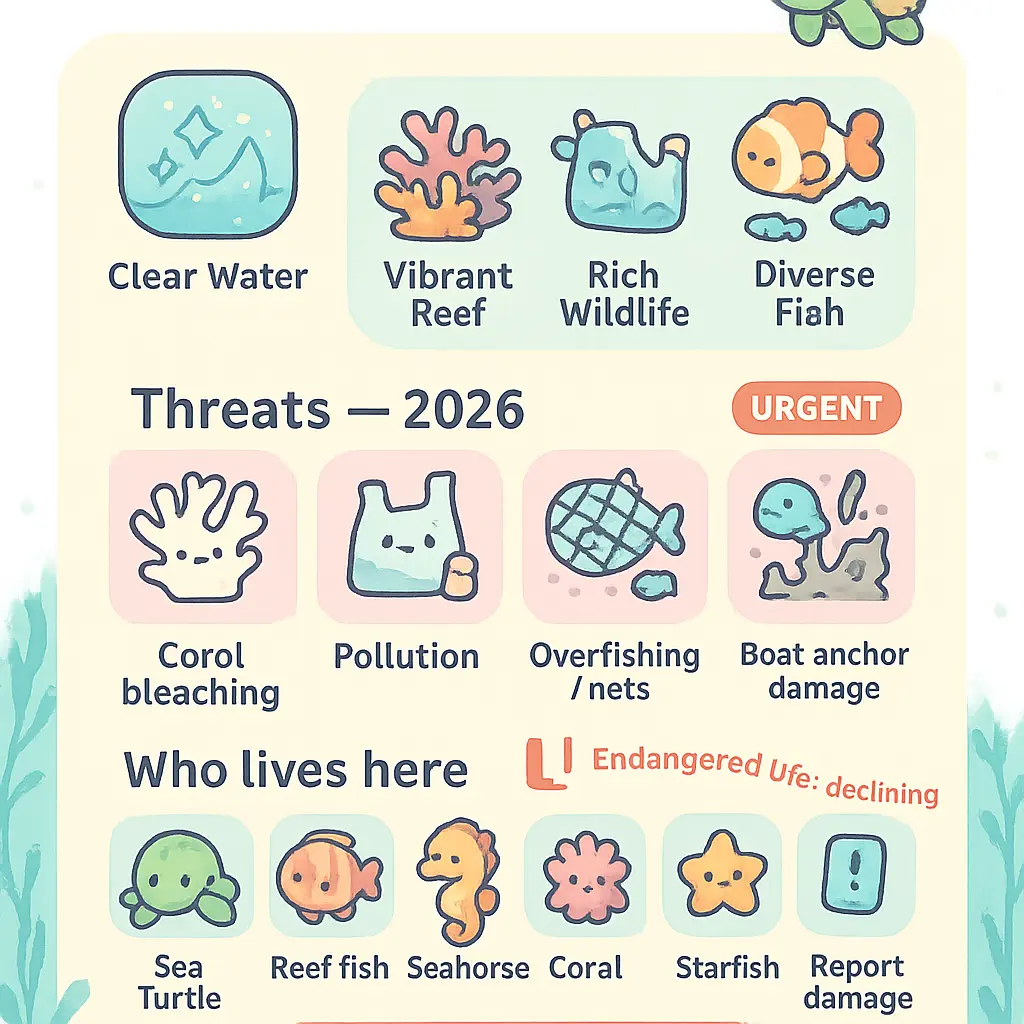
Beyond the allure of crystal-clear water and vibrant reef ecosystems, Laguna sea dwellers face unprecedented threats that demand urgent attention from divers, marine conservationists, and recreational adventurers alike. In recent years—especially by 2026—the diminishment of endangered marine life in iconic dive sites such as Catalina Island, Pennekamp Coral Reef State Park near Key Largo, Molasses Reef off the Florida Keys, and remote San Clemente Island has become an unavoidable part of conversations among dive professionals and eco-conscious travelers. Whether you're seeking an Open Water Diver Certification or advancing through PADI or SSI programs, divers who join Sea Dwellers Dive Center or similar outfits must recognize their dual role as explorers and stewards.
One predicament is the rapidly shrinking populations of charismatic creatures like sea turtles, sawfish, and endangered groupers, often noticed during guided Snorkeling Trips or Dive Boat outings. For example, at the Florida Keys’ best-known reefs—including Key Largo’s fabled Molasses Reef—an observant diver or even those new to Scuba Equipment might witness fewer large wrasses or nurse sharks than in previous years. Factors such as habitat destruction, plastic pollution, unsustainable fishing, and rising sea temperatures associated with climate change all conspire to diminish natural diversity and threaten reef resilience. Even at cutting-edge facilities offering Rebreather Divers training and Tec Divers excursions, instructors report that large predatory fish species are seldom encountered today compared to just a few years ago—deeply impacting the holistic underwater photography adventures and marine life interaction essential for scuba diving courses.
It’s crucial for dive clubs, Dive Shop staff, and independent travelers to commit to marine conservation initiatives during every dive trip. What are practical steps you should take as a diver wishing to help? Whenever visiting ecological hotspots like Pennekamp Coral Reef or Laguna sea dwellings near San Clemente Island:
- Choose reputable PADI Dive Centers or SSI-certified guides that prioritize Ocean Conservation and sustainable practices.
- Adopt Enriched Air Nitrox to extend bottom time safely while minimizing overall disturbance to fragile coral habitats and schooling fish.
- Always use neutrally buoyant dive techniques taught by experienced PADI Instructors to avoid damaging delicate corals or displacing sea creatures inadvertently.
- Join Dive Community Membership programs (such as those offered by the Sea Dwellers Dive Center in Key Largo) that sponsor regular reef cleanups and support marine life surveys with citizen science organizations.
Just as the Divemaster Program incorporates principles of responsible wildlife viewing and Ross Sea-style eco-ethics, divers venturing on Liveaboard Diving expeditions or Scuba Vacation Packages should wield underwater cameras for advocacy, not simply aesthetic tourism. Rigorous Dive Equipment Service and Repair by certified shops ensures no leaks or lost debris further pollute the environment, and attention to restricted fishing boundaries when boating near Catalina Island or Florida Keys avoids direct harm to dwindling populations.
Leaders in technical diving—especially those supporting rebreather operations—can leverage extended-range profiles to document harder-to-reach populations of critically endangered sea dwellers, feeding images and data into global ocean monitoring databases. Young enthusiasts enrolling in Open Water Diver Certification now receive more comprehensive education about the ecological role of sea dwellers and actionable conservation strategies enshrined in up-to-date SSI and PADI Scuba Instructor Training materials. For those unable to participate in scuba diving, eco-friendly Snorkeling Experiences and interpretive nature walks present valuable avenues of ocean advocacy.
With every immersive adventure, whether exploring military shipwrecks near San Clemente Island or gentle shelves of Laguna’s thriving kelp forests, divers face a choice: passive observation or engaged conservation partnership. Making the right impact requires vigilance, care—using high-res Underwater Photography not only for personal memories, but also for reporting changes in marine biodiversity. By integrating conservation into the heart of recreational, professional, and technical diving, Laguna sea dwellers may stand a better chance of resilience, surviving for generations to come amid shifts in global environmental conditions. By taking these specific actions and acknowledging the environmental fragility observed at dive sites everywhere’, every individual can become part of the solution, ensuring unique species and habitats are preserved in 2026 and beyond.
Professional illustration about Certification
Laguna Ecosystem Role
Exploring the critical role of Laguna Sea Dwellers within the greater Laguna ecosystem sheds light on how both marine life and diver activity shape the region’s underwater health and biodiversity. Laguna Sea Dwellers, ranging from intricate coral communities at Molasses Reef to migratory fish near San Clemente Island, act as bioindicators, signaling the state of ocean stability. For locals and visiting enthusiasts at places like Key Largo, understanding this interdependency impacts scuba diving practices, conservation priorities, and even the success of digital platforms offering dive trips and Scuba Vacation Packages in the Florida Keys.
Diver oversight and stewardship have become more influential heading into 2026; for instance, Sea Dwellers Dive Center in Key Largo partners with PADI and SSI-certified instructors and dive leaders who champion eco-friendly underwater behaviors. By emphasizing Marine Conservation through Dive Club memberships or via specific courses such as Enriched Air Nitrox and the Divemaster Program, committed divers contribute directly to ecosystem health. Hands-on initiatives—such as monitoring water clarity, identifying signs of coral stress, and recording species concentrations—equip marine professionals with actionable data facilitating conservation. Moreover, training programs like the PADI Open Water Diver Certification include segments on fragile marine habitats and responsible buoyancy, reducing diver-caused coral impact at storied sites including Catalina Island and Pennekamp Coral Reef State Park.
Dive shops and clubs are evolving to merge recreation and preservation, especially in hotspot locations across the Florida Keys. Modern operations offer Dive Equipment Service and Repair with heightened scrutiny over sanitizing and eco-safe gear selection, supporting Rebreather Divers and Tec Divers who undertake deep laguna surveys. This technical prowess ensures that underwater photographers—armed with the latest digital technology and industry-leading underwater cameras—can document threatened species and send real-time analytics to marine research institutes, forming a powerful feedback loop.
Snorkeling and recreational programs connect beginner enthusiasts to ecosystem stewardship early on. Dive Community Membership frequently includes orientation about Open Water conservation ethics; Dive Boat briefs highlight the importance of avoiding anchor drop zones to prevent reef damage, while guides reinforce spotting invasive species that jeopardize native populations. Educational dives at San Clemente Island frequently include classroom sessions led by PADI Instructors focused on Ocean Conservation strategies implemented in 2026—spotlighting marine debris initiatives and post-storm reef restoration tackles, all relevant within a changing climate discussion.
On dive trips throughout the Laguna region, marine conservation science is no longer abstract but embedded within the fabric of each outing. Dive Centers now partner with academic teams leveraging real-time data from coral surveys conducted by students and Divemaster candidates under expert supervision. The use of advanced Scuba Equipment to conduct night surveys or deep-water habitat mapping supports long-term eco-health for foundational species like spiny lobster, nurse shark, or rare sea cucumbers identified around the dive sites near San Clemente Island and on Liveaboard Diving expeditions circling Catalina Island.
If you’re planning diving or snorkeling in 2026, prioritize Outfitters and Dive Shops demonstrating a robust commitment to the laguna’s health—ask about their conservation impacts, the sustainability profile of their Dive Equipment Rental and guided tours, or cross-check ongoing partnerships with government ocean initiatives. For technical divers, contributing firsthand through underwater repair or tagging projects while pursuing advanced certification, like Technical Diving or specialized SSI courses, can leverage your skills for maximum ecosystem impact.
When all participants recognize that healthy Laguna Sea Dwellers not only remain at the heart of underwater experiences for divers and snorkelers but empower local and global ecological efforts, the entire dive community rises to meet the Laguna ecosystem’s future needs—combining thrilling adventure, scientific responsibility, and the wisdom to preserve the oceans for future generations.
Professional illustration about Instructor
Environmental Changes 2026
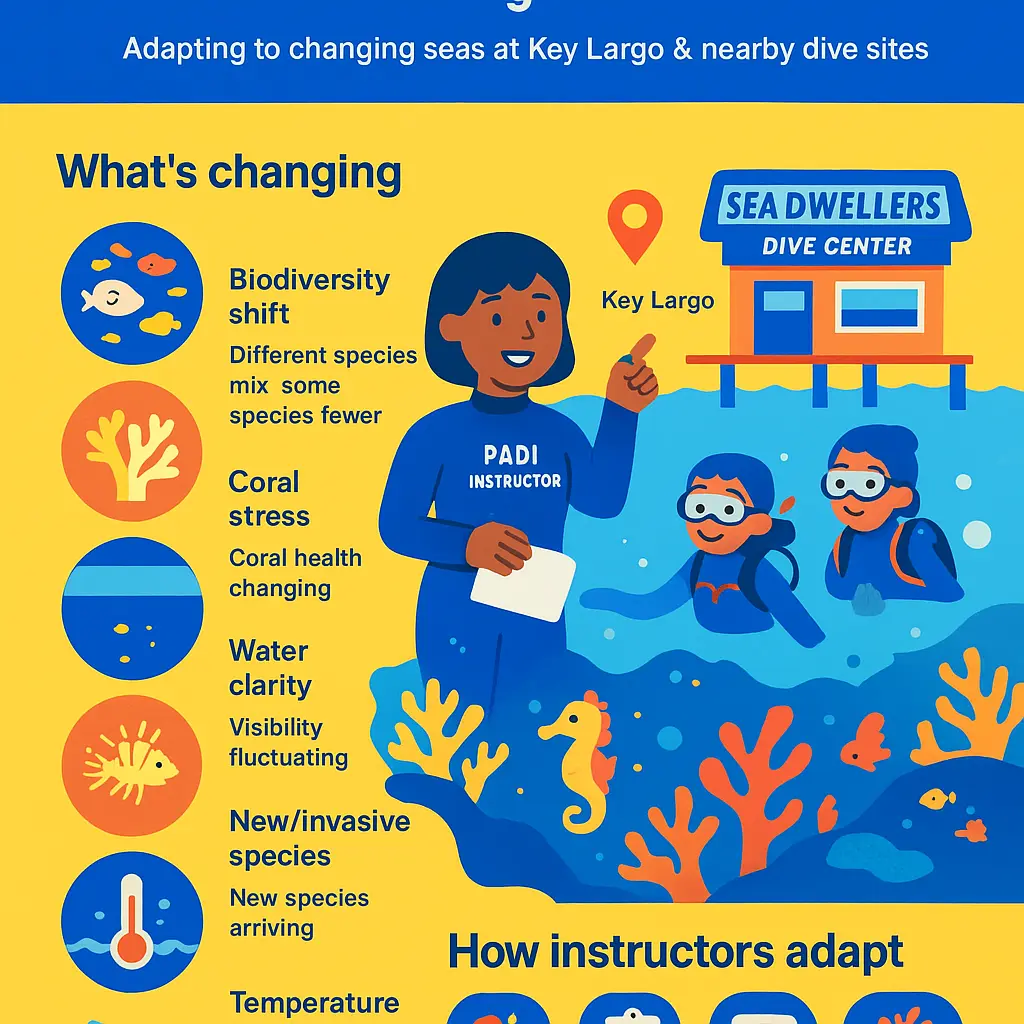
Dramatic environmental changes have continued to impact renowned scuba destinations like Key Largo and surrounding sites in 2026, directly influencing the day-to-day diving experiences at local establishments like Sea Dwellers Dive Center. The most apparent shift is in marine biodiversity and water conditions, making ocean conservation practice more essential than ever for the Laguna Sea Dwellers community. For scuba diving enthusiasts in the Florida Keys region, especially those part of local dive clubs or utilizing Dive Boat services, modifications in climate and current patterns have altered opportunities for underwater encounters. Molasses Reef—one of Florida’s most visited dive sites—now displays patches of coral bleaching, reminder of the intense summer temperatures recorded earlier this year. This has prompted guideline revisions for open water diver certification at reputable organizations such as PADI and SSI, where environmental awareness modules focus on responsible interactions and the scientific factors behind coral health.
Dive shops have ramped up underwater photography workshops, encouraging divers to document marine life adaptations, especially among species unique to protected sanctuaries like Pennekamp Coral Reef State Park or around Catalina Island. The rise in demand has stimulated the provision of modern scuba equipment specifically designed for more unpredictable conditions, from advanced wetsuit technologies to computer-controlled rebreathers that cater to tech divers and rebreather divers pursuing deeper explorations or Enriched Air Nitrox courses. Dive Equipment Rental and Service programs now come with enhanced maintenance checks targeting microplastic contamination buildup, an increasing post-dive concern.
Stu doesn’t leave a dive trip at the mercy of changing sea conditions. For instance, Sea Dwellers Dive Center reinforces ocean conservation within every official Dive Community Membership event, involved both in debris clean-ups along shallower snorkeling trips and data-sharing expeditions near San Clemente Island. PADI Instructors running programs prioritize impact-mitigation training in the Divemaster Program or specialty dives like Night Diving, as nocturnal marine ecosystems now behave differently than in previous years.
Many SSC programs, Dive Club meetups, and even vacation planners stagger high-volume liveaboard schedules around updated marine weather forecasts to assure not just diver safety, but minimal disturbance of fragile spawning times, shrim crab scuttling across the sand flats, and color-calibrated lighting used in underwater photography. Educational components in Scuba Dive Certification curricula increasingly connect best personal practice for shifting reef geomorphology. Laguna Sea Dwellers has become a pilot participant in projects that cultivate coral offspring at closed-off “nursery” patches within frequently-visited engine blocks of sunken vessels—allowing beginner Open Water Diver Certification classes firsthand glimpses into real-time reef recovery.
Technological innovation now also extends to boat operations, where Catamaran-style dive boats alternate cleaner fuel systems and hybrid batteries, echoing the Dive Shop’s pledge for reduced carbon footprints. For those considering Technical Diving paths, careful risk-benefit distinctions are advised due to increased pelagic species presence; sites like Catalina Island now suggest night dives in teams with specific redundant buoyancy kits and surface-marking signals.
One essential tactic is coordination among dive teams, many members certified as PADI Rescue Divers or working toward higher credentials through Scuba Instructor Training. Instruction now emphasizes kelp forest sensitivity off Catalina, yielding fascinating growth documentation but also new surge-swimming protocols. Conservation initiatives extend to children's snorkeling safety workshops; Lead guide Becca explains how sea states and micro-ecosystem sustainability intersect for sustainable eco-tourism.
Though the underwater world continues evolving, live data collected via digital logbook apps help dive teams chart new habitat zones, produce scientific records for marine research, and contribute geotag tracks of reef recovery near San Clemente and Key Largo. Sea Dwellers Dive Center, in collaboration with government marine parks, feedbacks information to environmental monitoring groups, ensuring that the best possible practices stay one step ahead amid everchanging dive conditions this year.
Overall, Laguna Sea Dwellers strongly recommends daily environmental scanning and ongoing education in dive practices for all community members, helping ensure that the compelling treasures beneath the Florida Keys and West Coast destinations like Catalina Island remain accessible and vibrant for 2026 and beyond. Divers—ranging from novice snorkeling aficionados to Tec Divers exploring rarely visited canyons—now bear greater responsibility than ever to engage ethically with ocean environments continually shaped by both nature and human choice.
Professional illustration about Center
Conservation Efforts Today
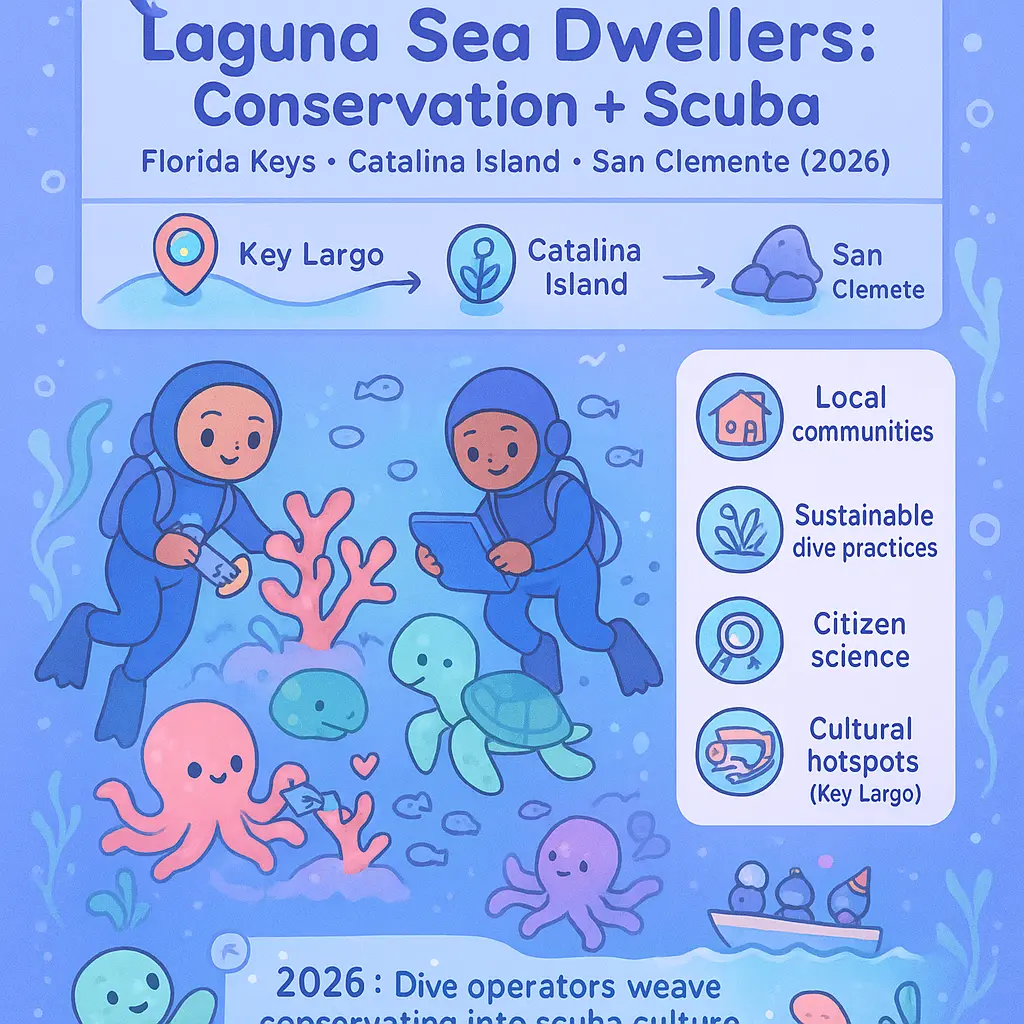
Across the Florida Keys, Catalina Island, and further reaches like San Clemente Island, contemporary marine conservation is no longer an abstract add-on—it’s become vital to the laguna sea dwellers, communities, and the very scuba culture central to hotspots such as Key Largo. In 2026, dive operators and organizations such as Sea Dwellers Dive Center and similar PADI Dive Centers actively foster ocean conservation beyond everyday eco-awareness. Local dive shops no longer just rent equipment for weekenders; instead, they organize ongoing marine restoration projects, coral monitoring, and urge all divers—whether new Open Water Diver Certification students, aspiring Divemaster candidates, Seasoned Tec Divers, or Snorkeling enthusiasts—to practice protective guidelines when in the water.
Innovation in Dive Practices and Gear for Conservation
Scuba equipment rentals today come with briefings tailored for ocean conservation impact. At leading Key Largo locations, staff emphasize the right use and care for accessories, like using “coral-safe lanyards” and teaching new PADI Guided Groups how buoyancy skills directly protect fragile ecosystems such as Pennekamp Coral Reef State Park and Molasses Reef. Dive Equipment Service and Repair facilities now frequently favor sustainable product solutions—a trend strongly encouraged throughout Florida Keys Dive Clubs as single-use plastics have vanished from modern Dive Boats.
Furthermore, sipping Enriched Air Nitrox allows divers longer safe bottom times, meaning fewer disturbances to underwater residents. Tech-Diving groups and Rebreather Divers are finding conservation comes standard now by tracking interaction impact data and reporting results to marine biology networks.
Eco-Programs Derived From Real Data & Education Efforts
The Laguna Sea Dwellers community, extending from Key Largo to Southern California’s dive havens, participates along-side governmental, PADI Instructor programs, SSI Certification routes, and recreational members. Liveaboard Diving trips focusing on Marine Restoration—repairing broken coral heads, spawning outreach, and seafloor cleanups—give everyday sea dwellers hands-on involvement, all validated by in-situ tracking using easy apps provided by Dive Clubs and Dive Shops. Dive Community Memberships frequently feature access to digital learning portals for recognizing endangered sealife, latest predator distribution shifts due to warming waters, and responsible photographic techniques for Underwater Photography addicts.
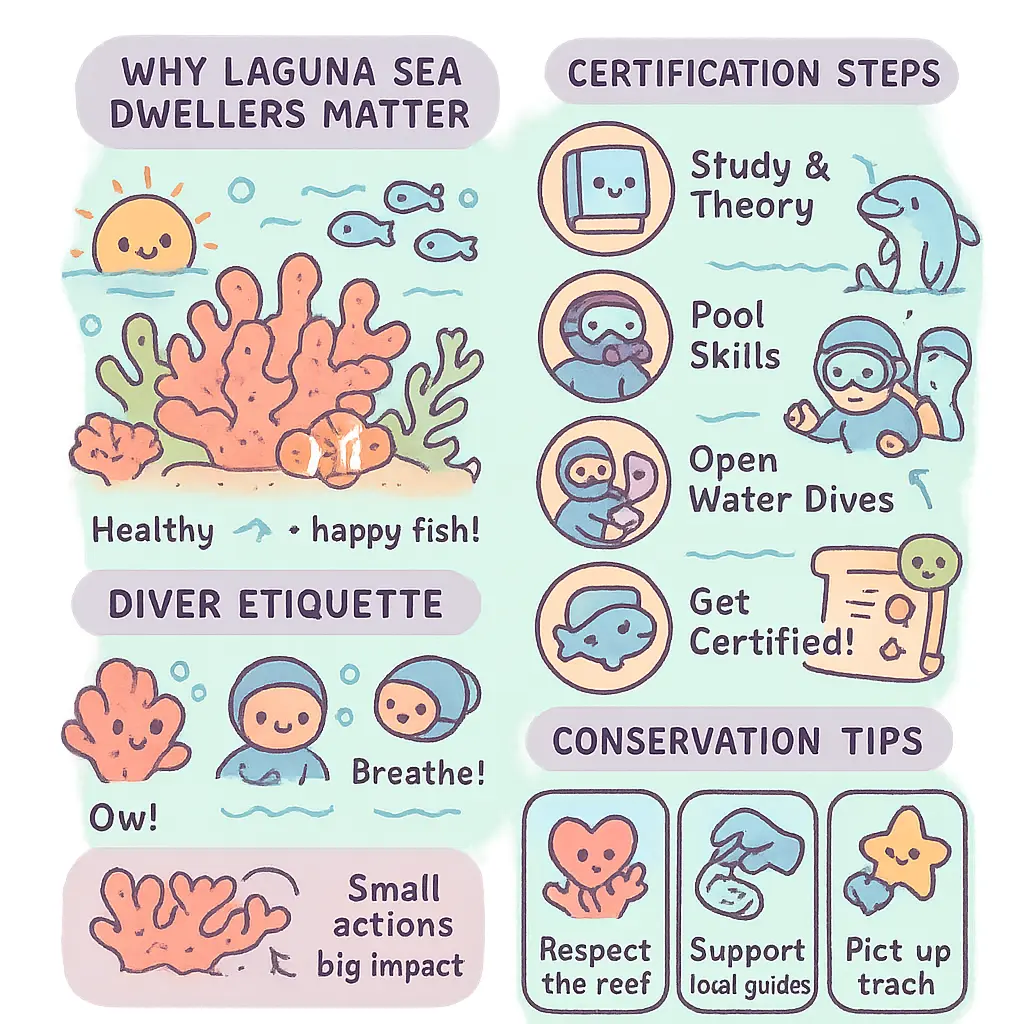
Meanwhile, Scuba Instructor Training, led by advanced PADI Instructors and SSI professionals, integrate the practicals of “Leave No Trace” dive guidelines right into coursework. Fledgling open water candidates jump into pools first aware of Sea Dwellers’ best practice checklists—hydrodynamics training avoids any unintentional reef interference. Continued-education modules stress proactive choices such as not chasing large sea turtles, logging specialty encounters with responsible spacing, and scheduling Snorkeling Trips or Dive Sites around kelp and eelgrass habitat regeneration timing.
Diver-Led Restoration, Citizen Science, Regional Projects in 2026
Dive shops located along the Florida Keys, especially in Key Largo, have active partnerships with Marine Researchers, Pennekamp authorities, and targeted ocean recirculation efforts. Dive community enthusiasts regularly join up for monthly “Dive & Debris” missions, tracing ghost nets and routine microplastics from underwater video surveys off recognized sites including Catalina Island and San Clemente Island.
Specific recommendations emerging this year include:
- Participating in Dive Community Conservation Programs
Join boats and clubs that actively organize coral restoration, monthly beach/underwater cleanups, and bio-surveys. - Selecting Eco-Responsible Shops for Equipment
Look for PADI or SSI certified shops supporting dive equipment built from recyclable and non-toxic components. - Education Through Up-to-date Certification Programs
Ensure any course pursued—especially advanced like Technical Diving or Divemaster Program—includes mandatory briefings plus continued environmental training on new regional issues. - Supporting or Documenting Dive Site Conservation Science
Use logbooks, photo ID tools, or diver-submitted reports from liveaboard diving and dive trips—these supply genuine field data to ocean conservation managers tracking animal migrations and ecological stability at known habitats.
Real-world success stories drive home the results. Sea Dwellers Dive Center documented slowly increasing numbers of long-lost queen conch around the edges of Pennekamp Coral Reef State Park between 2026 and early 2026, thanks to diver-led substrate clearing and strike zone GPS tracking. Likewise, dive clubs collaborating from Key Largo to Catalina Island use coordinated surveys so divers form marine census squads, pooling observations which help local governments regulate boat and anchor activity in sensitive areas. Many PADI Dive Centers initiated partnerships this year with climate science teams to offer memberships selective for regular volunteers: not just one-time participation, but planned, frequent support with built-in rewards or discounts for joining each debri mesoforeol survey.
Ultimately, conservation in 2026 means active, ongoing stewardship—embedded from your gear rentals to every morning brief, woven throughout every Dive Vacation Package Plaque, and visible right in the day-to-day routines of Sea Dwellers, Weekend Divers, and dedicated divers on and off the water across North America’s most iconic laguna marine environments. All involved—SSC students chomping after Divemaster, Rebreather divers reporting tech analyzes, snorkelers, vacationers, working PADI or SSI pros—are essential to protecting the living legacy backing these waters for decades to come.
Professional illustration about SSI
Human Impact Analysis
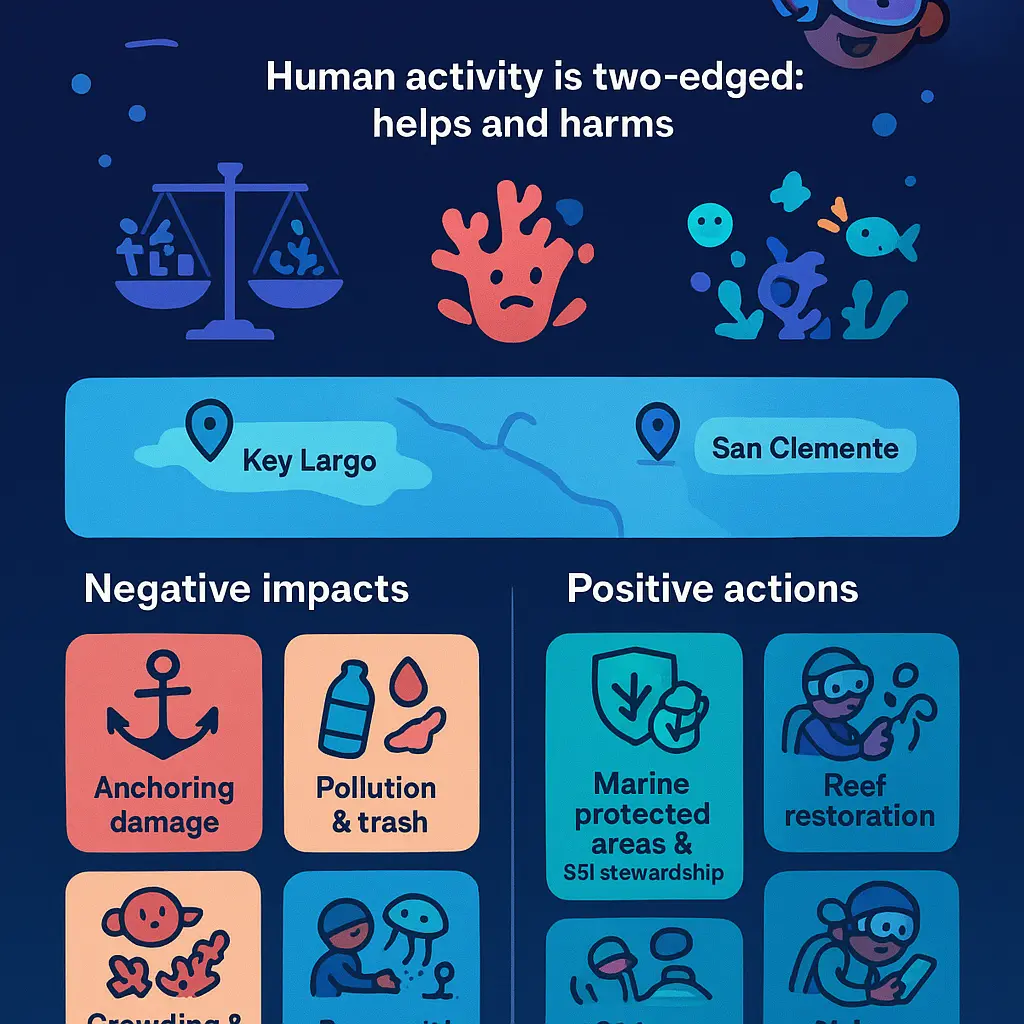
Human activity has always played a complex, two-edged role in the dynamics of coastal marine ecosystems, especially surrounding highly trafficked and world-famous dive sites like Laguna Sea Dwellers hubs, Key Largo, and the Catalina and San Clemente Islands. In recent years—including reports up to 2026—the growing interest in scuba diving, snorkeling, and the wide variety of dive vacation packages offered in Key Largo and throughout the Florida Keys, has provided both vital economic benefits and exceptional educational opportunities about oceans—but also subtle and not-so-subtle impacts on already fragile underwater environments. The abundance of PADI Dive Centers, such as the reputable Sea Dwellers Dive Center, and charismatic sites, such as Molasses Reef and Pennekamp Coral Reef State Park, provide direct and consistent contact between humans and intricate marine communities. Understanding and mitigating our footprint becomes crucial as open water diver certifications, Divemaster Programs, and Tec Diver and rebreather use increase every year.
One major way that humans inadvertently contribute to underwater habitat decline is via poor diving practices or lack of sufficient knowledge before exploring sites like Key Largo’s epic Molasses Reef. Inefficient buoyancy during scuba diving, frequent in new or unsupervised divers attempting SSI or PADI courses, often leads to unintentional fin strikes and coral touch, gradually degrading coral and sponges—particularly distressing in accessible yet sensitive spots within Pennekamp Coral Reef State Park and the reefs surrounding the Florida Keys. Even well-intentioned acts, like taking underwater photography without appropriate skills, can increase contact and disturb organism lifecycles. In high-traffic seasons, dive boats tend to anchor repeatedly on similar sandy patches just beside prime reefs. Despite most commercial operations adhering to responsible anchoring guidelines, occasional rogue placement has, over decades, produced erosional scarring and disrupted fish echolocation in critical habitat—in worst-case scenarios, undermining entire growing corals upon which native fish and invertebrates depend.
Snorkeling excursions are not innocent in this respect either. With Laguna Sea Dwellers organizing multiple daily snorkeling trips to nearby preserves or vibrant reefs close to Catalina Island hotspots, these excursions, if unmanaged, risk severe stress to shallow coral beds already particularly vulnerable to simultaneous sun exposure and watermanship skill gaps. Careful stewardship lauding the power of group vigilance, like practiced within reputable Key Largo dive shops and community dive clubs, acts as an essential buffer here. Proper briefings on marine conservation add immense value in reducing incidents like shell collecting, empty beverage containers leaving behind microtrash, or out-of-control sunscreen deposition—all, when done at scale, cumulative agents of decline.
Dive equipment introduces its residue of challenges and duties too. Deferred service and repair can cause aquatic drip and tangle acting as intrusive litter when replacement mouthpieces or mismatched parts are lost beneath tour boats or amid liveaboard diving excursions. Advances by Sea Dwellers Dive Center and similar innovative businesses now often come with streamlined equipment rental protocols involving marine-grade cleaning materials verified safe against reef structures; however, “ghost gear,” such as forgotten weights or freed individual mask fragments, still need broaching in ongoing diver ethics revisited in post-dive discussions, especially during extended tec or rebreather sessions.
Overuse—manifest in skyrocketing diver course attendance for open water diver certifications or multiday schedules aimed at the Divemaster Program—raises population density indices on solitary reefs. Not only does it heighten silt resuspension (potentially fatal for stony corals), but also naturalist guides have found a measurable reduction of easily startled garden eels, conchy lobsters, and herbivorous damselfish across Florida Keys, reflected starkly by 2026 observational logs. While this does underline the educational value of fish surveys or hands-on Learning Experiences underpinning today’s PADI Instructor curriculum and diving with environmental consultants, extra diligence is prompted via encouraging Dive Community Membership best practices to help local wildlife ease stress. Several Laguna Sea Dwellers-affiliated Dive clubs now mandate structured marine conservation briefings as pre-reqs for shore-based explorations of places like San Clemente Island or guest workshops set onsite in Key Largo boutique Dive Shops.
On a more positive, solution-based front, a shift—especially since the demand spike seen in 2026—for environmentally responsible scuba equipment upgrades, enriched air nitrox packs, self-sufficient diver rescue shadowing, regular certification refreshers, and educational focus on ocean conservation, provides cause for hope. Both novice tourists, during Entry-level Scuba Instructor Training weekends, and dedicated long-course technical enthusiasts, engaging Liveaboard Diving in seldom-visited Key Largo Sites, participate directly in ecological stewardship—inclusive of periodic site cleanup exercises (with many divers using reward incentives like added Dive Club credits). Such direct user-level actions improve the outlook for marine preservation, and leverage the strength of shared underwater values—not just sightseeing but being co-curators of these amazing marine environments.
In everyday terms, real transformations come down to practical choice and ongoing vigilance by everyone—from casual snorkeler to penultimate Tec Diver. Recommended best practices include ensuring open water diver certification programs (PADI, SSI, or advanced workshops) downplay former “touch-and-go” habits, supporting the adoption of marine guardian pledges among Dive club members, proactively charting coral-watch reports wherever Laguna Sea Dwellers are known or renowned. Regular participation in volunteer species monitoring and park-run program tasks proves awesomely effective: it turns high-impact locations—including busy charters out of Sea Dwellers Dive Center or guest troubles spotted on crowded boats from Catalina Island—for collaborative positive activism, involving not only regulation but next-generation divers and marine citizens for years to come. Environmental impact, then, becomes a teachable, measurable concept delivered with every dive shop itinerary and trip booking, ensuring a healthier legacy for iconic reefs and the whole living “sea dweller” spectrum.
Professional illustration about Pennekamp
Future Trends for Sea Life
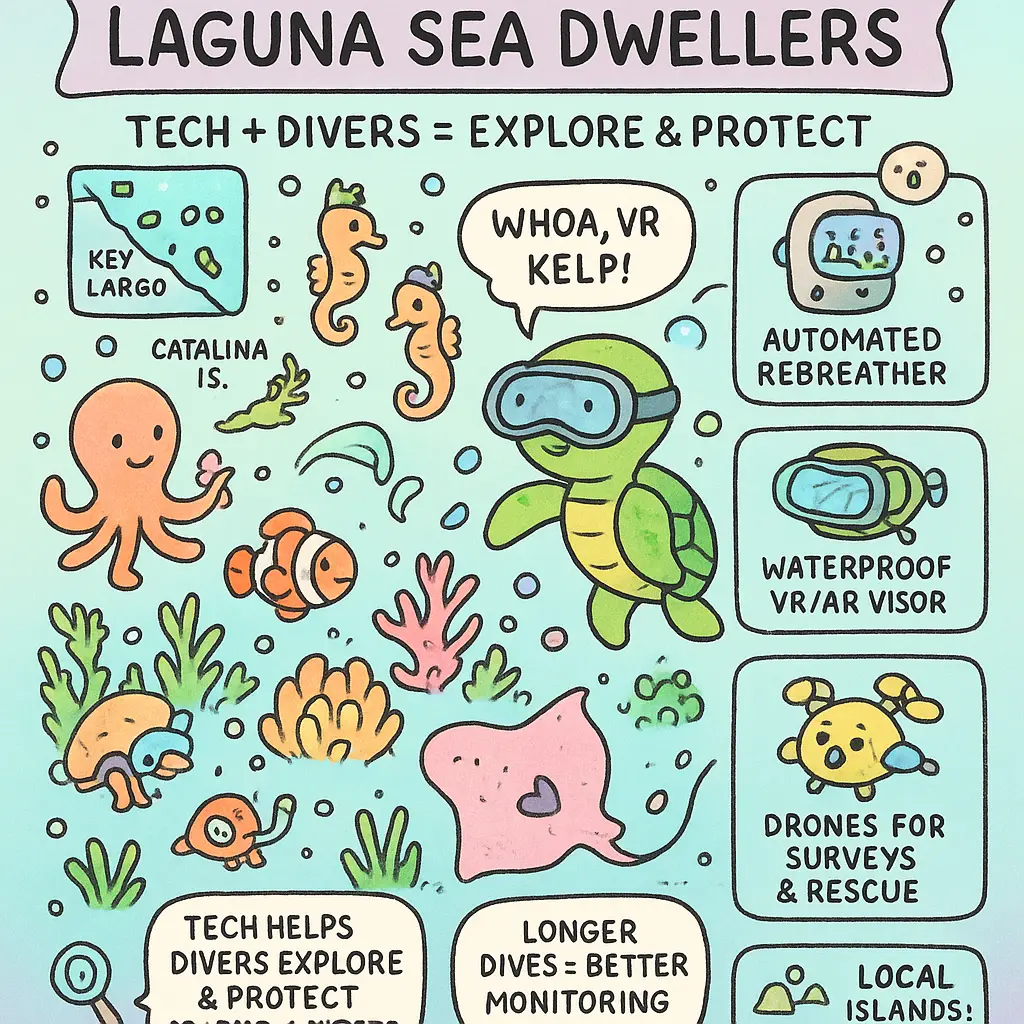
Wednesday’s tech innovations are rapidly influencing how divers explore—and protect—the ocean realms adjacent to Key Largo, Catalina Island, and the wild eco-habitats of San Clemente Island. Future-centered gear, such as next-level scuba equipment ranging from automated rebreathers to waterproof VR systems, excels at transforming advanced dives. Sea Dwellers Dive Centers across the Florida Keys are now integrating full Enriched Air Nitrox platforms on board their dive boats and rental facilities, reducing nitrogen take-up so average divers get deeper, stay safer, and simply enjoy marine habitats for much longer. Rebreather divers, especially those hooking into essential technical diving certification with PADI, find these systems critical on challenging Key Largo diving excursions chasing pioneer blue water species so central at places like Molasses Reef and Pennekamp Coral Reef State Park.
Trends in 2026 highlight how virtual reality modules coupled to underwater drones aim to bring remote sites—or live dive trips to say, Laguna Sea Dwellers in southern California—right to the surface for marine conservation and education programs. Ocean conservation incentives now form key specialties in emergent Open Water Diver certification, Divemaster programs, and spa-worthy Dive Vacation Packages inspired by eco-tourism. With hundreds of Catalina dialect clubs piping raw open-water feeds to dive community prepaid memberships, it’s easier than ever for dive shop teams to host online, real-time Underwater Photography contests promoting healthy seascapes.
Artificial reef development goes big across Florida Keys, thanks to regular asset drops coordinated closely with Sealife Dwellers heritage partner initiatives. New SSI-ranked technical diving programs help weave monitoring sensors into specialty habitats, data from which fuels fresh marine biology learning and precision tracking of population frequencies. With SCUBA Instructor Training refined and modernized, guides at Sea Dwellers Dive Center efficiently pass updated scripts to entry-level snorkel and fresh Open Water Diver students, using up-to-the-minute PADI instructor methodologies repeatable from SSI PADI Dive Center site supports, whether teaching foundational fin movements at the famed Catalina swimming areas, or completing student skill builds on offshore dive step-ups at Key Largo and Molasses Reef entry channels.
Social engagement Deep tethers in 2026 emphasize sustainable Diving Club ethic: newer clubs borrowing hybrid Dive Boat fleets, in which cleaned hydrogen or shore battery e-engines result in nearly zero marine impact while lowering visitor costs for longer range trips to flagship dive sites neat West Sand Spit Wilderness and burgeoning bathymetric hot spots not previously accessible without large vessel resources. MSM marine research teams log persistent sonar check-ins every month that are desperately sought by dive guides wanting perfect pick-off timing for sightings of invertebrates and miniature schools in thriving Sun Fish Stand pockets near San Clemente Island.
Actions today forecast trends every eco-advanced diver should prioritize:
Browse the most up to date Dive Equipment Service and Repair options feeling intuitive and browser hangout-accessible—plan every kit or new Scuba Equipment upgrade via forums or your favorite local PADI Dive Center suited to prepping equipment for tomorrow’s surf challenges.
Participate in gathering marine DNA micro-studies—some† Dive Sites pour monthly crowds, delivering backpacks and paperwork so individual divers log data from environmental samples.
Enhance skills portfolio for fast-only technical proficiency, continuing refresh coursework in advanced night scuba and specialized liveaboard diving via straight online apps for both PADI and SSI certifications.
Cooperate for cusp-of-current species studies through discounted Dive Club memberships featuring proximity between Madrid Super Villacourt browse cabins and the halfway house rental Dive Shops bluespot around Pennekamp Coral Reef State Park’s field stations.
As the rhythm of aquatic evolution for 2026 pivots between new Scuba Instructor Training outcomes and divisive Dive Equipment attitudes, staying connected in responsive Dive Community continuums breathes immediate value into every tech-decked ocean conservator. With endless expansion anticipated in open-source water column knowledge distribution—seen at every dive boat dial-out off Laguna Sea Dwellers terrain—underwater glamour proves limitless as next-gen oceanic relatives propel halfway-class seeker stories higher than ever imagined.